
 21 September 2026
 Share
Share
1
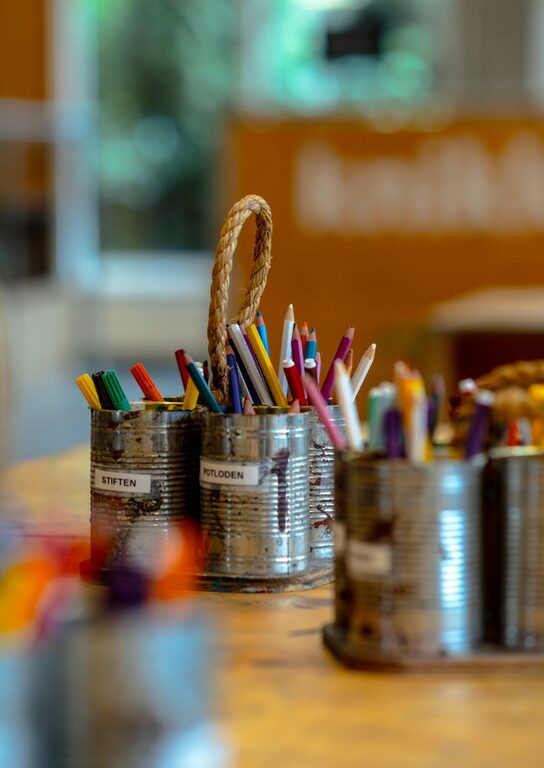
Kids’ artwork is full of creativity, memories, and personality. It can also quickly cover the refrigerator, fill drawers, and collect in piles around the house. With a simple system, you can enjoy your child’s creations while keeping them easy to find and manage.
The goal is not to save every piece of paper. Instead, create a routine that helps you decide what to display, what to store, and what to recycle. A few minutes of regular organizing can make a big difference.
The easiest way to prevent art from spreading throughout the house is to choose one place for new creations. This might be a basket, a magazine holder, a file box, or a drawer near your child’s workspace.
Make sure the spot is easy for everyone to use. If it is too far away or difficult to open, artwork may end up on counters and tables instead.
Label the space clearly, such as “New Artwork” or “Art to Sort.” Teach children to place finished projects there after they are done. This simple habit creates a central location for everything that needs attention.
A collection spot does not need to be large. A small basket may be enough for a week’s worth of drawings. Empty it on a regular schedule so it does not become an overflowing storage area.
Children enjoy seeing their artwork displayed, and a dedicated gallery can help limit the number of items on the refrigerator. Choose one wall, bulletin board, wire, or picture ledge for current favorites.
You can use:
– Clipboards for easy artwork changes
– Clothespins attached to a string
– Magnetic frames
– A corkboard
– Removable wall hooks
– A framed opening for rotating pictures
Set a limit for the display area. For example, when a new piece goes up, an older piece comes down. This teaches children that the display is for selected favorites rather than a place to keep everything forever.
Rotating artwork also gives children a chance to revisit older creations. Consider changing the display weekly or monthly, depending on how much art your family creates.
When it is time to organize the collection, use a few clear categories. Too many choices can make the process harder than it needs to be.
Useful categories include:
– Display now
– Save for later
– Photograph
– Give as a gift
– Recycle
– Needs a response or signature
The “needs a response” category is helpful for school projects, permission forms, or artwork that includes a note from a teacher. Keeping these items separate can prevent important papers from being overlooked.
Try to sort artwork soon after it enters the collection spot. A weekly review is often enough for many families. If your children create art every day, a quick daily sort may work better.
A large portfolio, accordion folder, or sturdy art box can hold favorite pieces from each year. Give every child a personal storage space and label it with their name.
If you use a portfolio, choose one with enough room for larger paper. Oversized artwork can be folded carefully only when necessary, but storing it flat will help protect it.
Add a few details to the pieces you save:
– Child’s name
– Age or grade
– Date
– Title, if there is one
– A short note about the project
These details turn a simple drawing into a useful memory. You may not remember why a picture was important years later, so a short note can add valuable context.
Avoid filling the portfolio without limits. Review it once or twice a year and choose the pieces that best show your child’s interests, skills, or sense of humor.
Some artwork is too large, three-dimensional, or fragile to store easily. Instead of keeping every project, take a clear photograph before recycling or disassembling it.
Photographs work well for:
– Cardboard constructions
– Paper sculptures
– Paintings on large sheets
– Classroom displays
– Seasonal crafts
– Sidewalk chalk drawings
– Handmade costumes or props
Take photos in good natural light and include the child when possible. A picture of your child holding the project can capture both the artwork and the moment.
Create a digital folder for each child, organized by year or school grade. Use simple file names, such as “Mia watercolor April 2026.” Regularly back up the photos so they do not depend on one device.
A yearly photo book can preserve many pieces without requiring a large amount of physical storage. Photograph selected artwork throughout the year, then arrange the images in a printed book or digital album.
You do not need to include every item. Choose a mix of drawings, paintings, school projects, and photographs of larger creations. Add short captions or quotes from your child when appropriate.
A yearly book can become a family tradition. At the end of the school year, look through the collection together and let your child help choose favorites. This makes organizing more enjoyable and encourages children to think about their creative work.
Children should have a voice in what happens to their artwork. Ask which pieces they want to display, save, give away, or recycle. Their choices may surprise you; a simple drawing may be more meaningful to them than a carefully finished project.
Use open-ended questions such as:
– What do you like about this piece?
– Should we display it or save it?
– Would someone enjoy receiving this as a gift?
– What should we remember about this project?
– Are you finished with it?
You do not have to keep every piece simply because your child made it. At the same time, avoid discarding artwork secretly if your child may be attached to it. A respectful conversation can help build trust and teach practical decision-making.
Some artwork can become part of everyday life instead of going into storage. Turn favorite drawings into greeting cards, gift tags, bookmarks, or wrapping paper.
You can also:
– Use paintings as notebook covers
– Frame a small selection
– Create a collage
– Make a calendar
– Decorate storage boxes
– Cut sections into colorful labels
– Send copies to relatives
Before reusing an item, check with your child. They may want to save the original or choose which part to use.
Organization works best when it becomes a habit. Choose a review time that fits your household, such as the end of each month, the start of a new school term, or a seasonal cleaning day.
During each review:
Keep the process short and manageable. A 15-minute review is often more effective than waiting until the collection becomes overwhelming.
Your organizing system may change as your children grow. Younger children may need open baskets and simple choices, while older children may prefer labeled folders or digital albums.
The best system is one your family can maintain. It should protect meaningful memories without turning every drawing into a storage problem. By creating a collection spot, rotating displays, saving favorites, and photographing larger projects, you can enjoy your children’s creativity while keeping your home organized.
