
 21 September 2026
 Share
Share
1
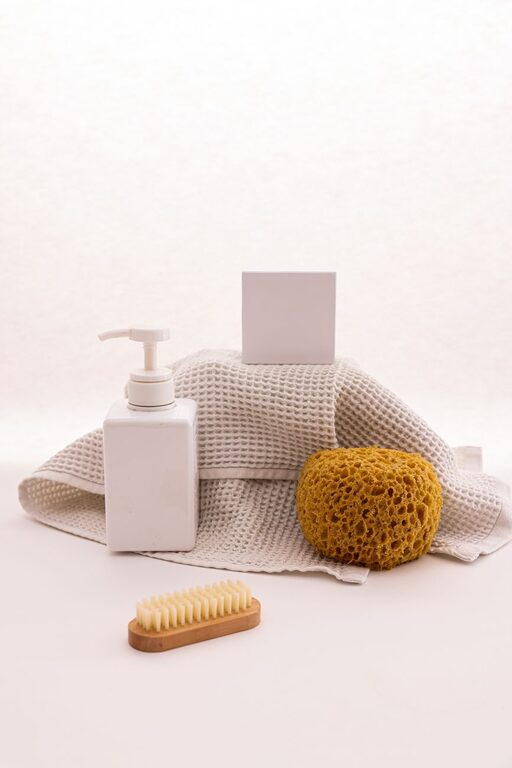
Taking care of yourself does not have to mean booking an expensive retreat or buying a collection of special products. Many helpful self-care activities are simple, low-cost, and easy to enjoy at home.
The most effective routines are often the ones you can repeat. Whether you have five minutes or a free afternoon, these ideas can help you create more space for rest, comfort, and everyday enjoyment.
Your surroundings can influence how easy it feels to relax. You do not need to redecorate your home. A few small changes can make one area feel more comfortable.
Choose a nightstand, kitchen counter, desk, or corner of a room. Set a timer for 10 minutes and focus only on that space. Put items away, recycle what you no longer need, and wipe the surface.
A small improvement can make a room feel more manageable without turning into a major cleaning project.
Turn off bright overhead lights and use a lamp, string lights, or natural light instead. Opening the curtains during the day can make a room feel more inviting, while softer lighting in the evening may help create a calmer atmosphere.
Gather a blanket, pillow, book, notebook, or anything else that helps you feel relaxed. Keep these items in one place so you can easily return to your comfort corner when you need a quiet break.
Relaxation does not have to be complicated. The goal is to give your attention to something restful rather than trying to be productive every moment.
Use products you already have and give yourself a little extra time. Play quiet music, dim the lights, or simply enjoy the change of pace. If you take a bath, keep the water at a comfortable temperature and follow normal safety precautions.
Spend five to 10 minutes moving slowly through comfortable stretches. You might roll your shoulders, stretch your arms, or gently move your legs. The activity should feel easy and pleasant rather than demanding.
A short stretch break can also be useful after sitting at a desk or spending a long time on a screen.
Sit comfortably and take a few slow breaths. Notice the feeling of the air moving in and out. If your mind wanders, gently return your attention to your breathing.
You can try this for one minute at first. It does not need to be a formal practice or a perfect exercise.
Play music, nature sounds, an audiobook, or a free podcast. Choose something that matches your mood. A familiar playlist can make a routine activity, such as folding laundry, feel more enjoyable.
Mental self-care can include reflection, creativity, and time away from constant information. These activities are free or use supplies you may already have.
Use a notebook, notes app, or a few sheets of paper. Write about your day, list things you appreciate, or describe what you would like to do tomorrow.
If you are not sure where to begin, try these prompts:
– What made today easier?
– What is one thing I want to remember?
– What would make tomorrow feel more comfortable?
– What can I let go of for tonight?
There is no need to write well. The value comes from giving your thoughts a place to go.
Choose a library book, an old favorite, a magazine, or a free online article. Reading for enjoyment can be a welcome change from scrolling through short posts and notifications.
Set aside even 15 minutes and keep your phone in another room if that helps you stay focused.
Choose a short period, such as 20 or 30 minutes, to put away your phone, tablet, and computer. Use the time to make tea, look out a window, organize photos, or simply sit quietly.
You do not have to avoid screens all day. A small break can be easier to maintain and still give your attention a rest.
Creative activities can be simple and inexpensive. Draw with a pencil, color, rearrange a shelf, write a short story, make a collage from old magazines, or try a new recipe using ingredients already in your kitchen.
The focus does not need to be on the final result. Let the activity be enjoyable rather than perfect.
Self-care can fit into tasks you already do. Small upgrades can make ordinary moments feel more intentional.
Make coffee, tea, flavored water, or another drink you enjoy. Use a favorite mug and take a few minutes to enjoy it without multitasking.
You can also prepare a simple snack and arrange it on a plate rather than eating directly from the package. This small change can make the moment feel more special.
Prepare a simple meal that feels comforting and manageable. Play music while you cook, invite someone to help, or make enough for leftovers.
If cooking feels like too much, assemble a simple meal from items you already have. Self-care does not need to involve a complicated recipe.
Fresh sheets, a fluffed pillow, or a neatly made bed can make your bedroom feel more comfortable. You can also open a window briefly, if the weather allows, to refresh the room.
Choose two or three relaxing steps to repeat each night. For example, you might tidy for five minutes, prepare clothes for the next day, and read a few pages of a book.
A predictable routine can help signal that the day is winding down.
Time with other people can be an important part of self-care, and it does not need to involve an expensive outing.
Reach out to a friend or family member. Ask how they are doing, share a funny memory, or suggest a short phone call. A thoughtful message can strengthen a connection even when schedules are busy.
Invite someone to take a walk, cook a meal, watch a movie you already own, or play a board game. You can also arrange a virtual coffee break or a shared online activity.
The best low-cost self-care plan is realistic. Start with one activity that feels appealing and easy to repeat. You might choose a five-minute breathing break, a weekly bath, an evening reading habit, or a short walk around the neighborhood.
It can help to keep a list of activities for different energy levels:
– Five minutes: Take deep breaths, stretch, tidy one surface, or drink water.
– Thirty minutes: Read, write, listen to music, cook, or take a relaxing shower.
– An hour or more: Try a creative project, watch a favorite film, prepare a meal, or call someone you care about.
Self-care is not about doing everything or following a perfect routine. It is about making small choices that support rest, comfort, and enjoyment. Start with what you already have, keep your expectations simple, and allow your routine to change as your needs and schedule change.
